
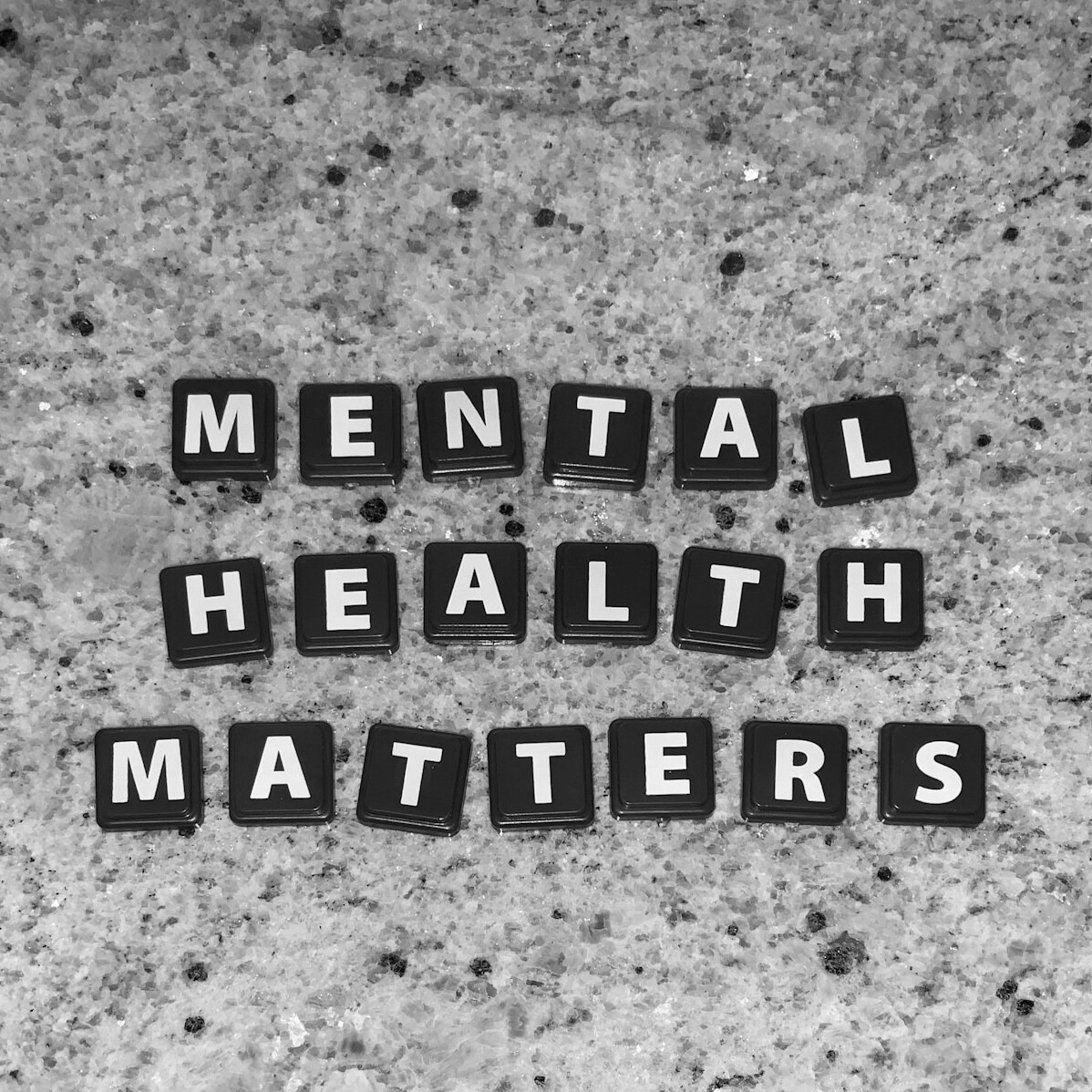
Mental health wellness starts with daily self-care rituals that work. This isn't about trendy meditation apps or perfect yoga routines. It's about small, consistent practices that build resilience over time. When you deal with substance abuse, anxiety, depression, or just life's heavy moments, these daily habits become your foundation for recovery.
Many people think mental health treatment only happens in therapy offices or hospitals. But real mental health change happens in ordinary moments—when you choose to write in a journal instead of scrolling through social media, when you take three deep breaths before responding to stress, or when you move your body instead of reaching for substances.
Research from the National Institute on Drug Abuse shows that coping mechanisms learned through daily practice prevent relapse by managing stress before substances become tempting. Your brain needs repetition to build new pathways. That's why consistency matters more than intensity.
What Daily Self-Care Rituals Actually Mean
What it means: Daily self-care rituals are small, repeatable actions you do regularly to support your mental and emotional well-being. They're not punishments or perfect routines. They're compassionate choices that show up even when motivation is low.
Why it matters: When you face mental health challenges or recovery from substance use, your nervous system stays in survival mode. Daily rituals regulate this system gradually. Without them, stress accumulates until coping through substances feels like the only option.
How to apply it: Start with one practice. Do it for five minutes every day at the same time. Don't add more until this one feels automatic. Consistency builds the habit faster than doing everything perfectly once a week.
Breathwork Regulates Your Nervous System During Anxiety
Breathwork techniques regulate the nervous system during anxiety or panic episodes. This isn't just "taking deep breaths." It's specific patterns that signal safety to your brain.
One simple method is the 4-7-8 technique: breathe in for 4 seconds, hold for 7 seconds, exhale for 8 seconds. Repeat this three times. The longer exhale activates your parasympathetic nervous system, which slows heart rate and reduces tension.
When you're in recovery, anxiety often triggers substance use. Having breathwork ready means you have an alternative response. You don't need to wait for a therapist appointment. You can do this anywhere—in your car, at work, before a difficult conversation.
Thoroughbred Behavioral Health teaches guests these evidence-based breathing techniques as part of their comprehensive care for substance use care for substance use. The practice becomes automatic through repetition, so it works even when you're stressed.
Mindfulness Helps You Adapt to Sober Life Without Substances
Mindfulness practices help guests adapt to new sober lifestyles without substances. Mindfulness means paying attention to the present moment without judging it. It's noticing what you feel without trying to fix it immediately.
A basic mindfulness practice is the "5-4-3-2-1" grounding technique: notice 5 things you see, 4 things you can touch, 3 things you hear, 2 things you smell, and 1 thing you taste. This pulls you out of overwhelming thoughts and into your body.
Substance use often happens to escape uncomfortable feelings. Mindfulness teaches you to sit with those feelings instead. You learn that anxiety peaks and then下降s. You don't need to drug it away. This is mental health recovery in action.
The Substance Abuse and Mental Health Services Administration offers free resources on mindfulness-based recovery strategies that anyone can access. These practices are evidence-based and taught in many mental health programs.
Journaling Through Writing Creates Mental Health Change
Journaling creates mental health change by helping you process emotions on paper instead of inside your head. When you write about what you're feeling, you organize chaotic thoughts into something manageable.
StoryMirror encourages daily creative expression through writing poems or stories, which aligns perfectly with wellness journaling practices. Both platforms believe small consistent actions create transformation. You don't need to write perfectly. You just need to write honestly.
Try this simple journaling exercise: write three sentences about what you're feeling right now. Don't edit. Don't judge. Just notice. Do this every morning for one week. You'll start seeing patterns in your emotions that you couldn't see before.
Research shows that expressive writing reduces cortisol levels (the stress hormone) and improves emotional regulation during recovery. This is why many mental health treatment programs include journaling as a core component.
Group Sessions Build Community Support Critical for Recovery
Group sessions build community support critical for preventing isolation. When you recover from substance use or manage mental health challenges alone, relapse becomes much more likely. You need people who understand what you're experiencing.
Group therapy works because it breaks the shame cycle. When you hear someone say "I felt the same way," it validates your experience. You're not broken or alone. This is why mental health matters so much in recovery—connection heals.
Many mental health programs in Atlanta GA offer group sessions as part of their treatment approach. These groups meet weekly and provide ongoing support beyond individual therapy. You build relationships with people who become your recovery network.
The World Health Organization emphasizes that social support is one of the most important factors in successful mental health recovery. Isolation is a risk factor. Connection is protective.
Individual Counseling Addresses Personal Trauma Unique to Your History
Individual counseling addresses personal trauma unique to each guest's history. While group sessions provide community, individual therapy goes deep into your specific experiences. This is where you unpack the root causes of substance use or mental health challenges.
A skilled therapist helps you connect past trauma to present behaviors. You might realize you use substances to numb memories from childhood, or that anxiety stems from a specific event. Understanding this connection changes everything.
Individual counseling also teaches personalized coping strategies. What works for one person might not work for another. Your therapist tailors techniques to your specific needs, history, and personality.
This personalized approach is why dual-diagnosis treatment works better than treating addiction or mental health separately. Both conditions interact, and your treatment should address both simultaneously.
Family Education Programs Teach Relatives How to Support Recovery
Family education programs teach relatives how to support recovery appropriately. Recovery isn't just about the person using substances or managing mental illness. It's about the whole family system learning new ways to communicate and connect.
Family members often don't know how to help without making things worse. They might say "just stop" or "you're too weak" when they're worried. Education teaches them what actually helps—listening without judging, setting boundaries without shaming, and offering support without controlling.
When families understand mental health recovery, they become part of the healing process instead of obstacles. This reduces stress for everyone and creates a more stable environment for sustained recovery.
Many treatment centers include family sessions as part of their program. These sessions happen periodically throughout treatment, not just at the end. Family education is ongoing because recovery changes over time.
What Self-Care Rituals Should You Start First
When to start: Begin today, not "when you feel ready." Readiness comes from action, not before it. Pick one practice and do it for five minutes right now.
Which one first: Choose the ritual that feels least intimidating. If breathwork feels weird, start with journaling. If group sessions feel scary, try mindfulness alone first. Progress happens when you start, not when you're perfect.
How long before it works: Most people notice changes within 2-4 weeks of consistent practice. But the real benefit is cumulative. Six months of daily practice creates lasting brain changes that prevent relapse.
Common Questions About Daily Self-Care
Q: How much time do self-care rituals need?
A: Start with 5 minutes daily. Most practices become effective in 10-20 minutes. Consistency matters more than duration.
Q: What if I miss a day?
A: Don't quit. Just restart the next day. One missed day doesn't erase progress. Perfection isn't required for mental health wellness.
Q: Can self-care replace therapy?
A: No. Self-care supports therapy but doesn't replace professional treatment for serious mental health challenges or substance dependence.
Q: Which ritual works best for anxiety?
A: Breathwork and mindfulness are most effective for immediate anxiety relief. Journaling helps process underlying causes over time.
Q: Do I need to do all five practices?
A: No. Start with one. Add more only when the first feels automatic. Quality over quantity always wins in recovery.
Conclusion
Mental health wellness starts with daily self-care rituals that work. You don't need perfect routines or expensive tools. You need consistency with simple practices: breathwork for anxiety, mindfulness for sobriety, journaling for emotional processing, group sessions for connection, individual counseling for trauma, and family education for support.
These rituals prevent relapse by managing stress before substances become tempting. They build new neural pathways through repetition. They show up even when motivation is low.
Start with one practice today. Do it for five minutes. Repeat tomorrow. That's how mental health change happens—not through grand gestures, but through small, consistent choices that compound over time.
Your mental health matters. Your recovery matters. And it all starts with what you do today.
 Never miss a story from us, get weekly updates in your inbox.