
Outdoor advertising has always been about reaching people where they live, travel, shop, and work. But with the rise of digital screens and advanced technology, outdoor advertising has become smarter than ever. One of the biggest drivers of this change is Programmatic DOOH, a method of buying and displaying digital outdoor ads using automation and real-time data.
In simple words, Programmatic DOOH means showing ads at the perfect moment by using live data such as weather, traffic, time of day, or audience movement. This ensures that the ad is not only displayed on a screen — it is displayed when it matters most.
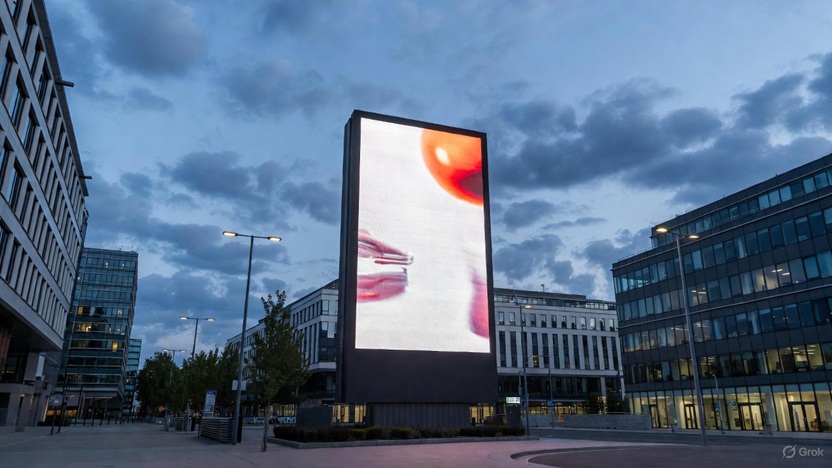 Image Source: Moving Walls
What Is Real-Time Data in Programmatic DOOH?
Real-time data refers to information that changes from moment to moment. This could include:
Weather conditions
Traffic jams
Footfall outside a shopping mall
Time-specific audience behavior
Live events like concerts, festivals, or sports matches
Temperature, humidity, pollution, or UV levels
Programmatic DOOH platforms use this live data to decide the best moment to show an ad on a screen.
How Real-Time Data Improves DOOH Advertising
1. Relevant ads at the right time
Instead of playing ads randomly, Programmatic DOOH uses data triggers. For example:
When it rains → Ads for umbrellas, jackets, hot beverages
When temperature crosses 30°C → Ads for ice creams, cold drinks
During morning rush hour → Ads for breakfast or coffee
During traffic jams → Ads for music apps, entertainment apps
This makes the ad more meaningful to people who see it.
2. Higher impact with location-based triggers
Programmatic DOOH can also use geolocation and movement patterns. For example:
A fitness brand can target screens near gyms during peak workout hours.
A shopping app can target mall screens during weekends when crowds increase.
A food delivery brand can focus on residential areas at dinner time.
This ensures ads reach people who are more likely to respond.
3. Better budget control
Real-time targeting helps advertisers avoid wasting money on low-impact moments. Instead of running ads all day, brands can choose only the times when footfall is highest or behavior matches their campaign goals.
This makes Programmatic DOOH more cost-efficient compared to traditional outdoor advertising.
4. Improved measurement and insights
Real-time data also helps measure:
How many people likely saw the ad
Which times performed best
How weather or traffic affected engagement
How ads influenced store visits or website activity
These insights help brands plan better campaigns in the future.
A Simple Example
Imagine a juice brand launching a summer campaign.
They can set a rule:
“Show our ad only when the temperature is above 32°C.”
When the temperature rises, the system automatically triggers the ad on selected digital screens. When it drops below 32°C, it stops. The brand pays only for relevant moments — which is both smart and budget-friendly.
Final Thoughts
Programmatic DOOH powered by real-time data is changing outdoor advertising in a big way. It ensures ads are timely, relevant, and impactful — all without manual intervention. For advertisers looking to make smarter decisions and maximize results, real-time data-triggered DOOH is becoming one of the most powerful tools in modern marketing.
Reference: Moving Walls.
 Never miss a story from us, get weekly updates in your inbox.