
Modified Bitumen Roofing (often abbreviated as Mod Bit) is an evolution of traditional built-up roofing (BUR) designed specifically for flat and low-slope roofs. It is an asphalt-based roofing system reinforced with modifiers—such as rubber or plastic—and structural mats like fiberglass or polyester.
Originally developed in Europe during the 1960s and widely adopted in North America by the late 1970s, modified bitumen was created to combine the multi-layer waterproofing reliability of traditional built-up asphalt roofs with the flexibility and ease of installation of modern single-ply synthetic membranes.
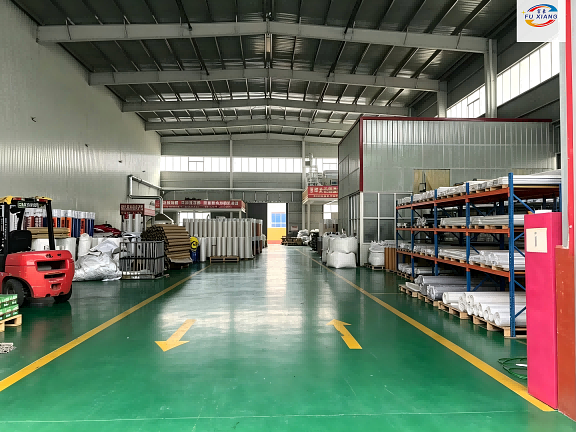
How Modified Bitumen is Made
Standard asphalt can become brittle in cold temperatures and overly soft or sticky in extreme heat. To fix this, manufacturers modify asphalt with polymers:
APP (Atactic Polypropylene): Nicknamed "plastic asphalt," APP incorporates plastic polymers into the bitumen. This creates a membrane that becomes flowable when heated, making it ideal for torch-applied installations. APP provides exceptional UV resistance, rigidity, and high-temperature performance.
SBS (Styrene-Butadiene-Styrene): Nicknamed "rubberized asphalt," SBS blends synthetic rubber into the asphalt mixture. This gives the material superior elasticity and cold-temperature flexibility, allowing it to stretch and contract as the building shifts or as temperatures fluctuate drastically without cracking.
These polymer-modified asphalt layers are combined with a reinforcing core—typically polyester matting, fiberglass scrim, or a combination of both—to provide tear resistance and tensile strength.
Structure of a Modified Bitumen System
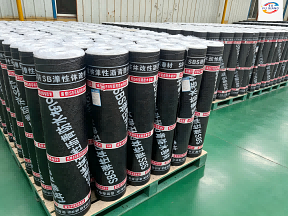
Unlike single-ply membranes (like TPO or EPDM), modified bitumen is usually installed as a multi-layer assembly (typically 2 to 3 plies):
Insulation / Cover Board: Mounted directly to the roof deck to provide thermal efficiency and a solid substrate.
Base Sheet: The bottom layer fastened or adhered to the roof deck or insulation board.
Interply Sheet(s): Optional additional layers of bitumen added for extra strength and redundant waterproofing.
Cap Sheet: The exposed top layer, which is heavily polymer-modified and often surfaced with ceramic granules, mineral flakes, or reflective coatings to shield the system from UV light, weather, and mechanical damage.
Installation Methods
Modified bitumen offers diverse installation methods depending on building requirements, fire codes, and environmental regulations:
Method | Description | Primary Use Case |
Torch-Applied (Torch-Down) | An open-flame propane torch heats the back of the roll as it is unrolled, melting the asphalt to weld it to the substrate. | Most common with APP membranes. |
Cold-Applied Adhesive | High-performance solvent-based or low-VOC liquid asphalt adhesives are spread using a squeegee or trowel before unrolling the membrane. | Ideal for facilities where open flames are prohibited or hazardous. |
Self-Adhered (Peel-and-Stick) | Sheets feature a factory-applied adhesive backing covered by a release film that is peeled away during installation. | High safety; great for low-ventilation areas, residential flat roofs, or quick installs. |
Hot-Mopped Asphalt | Installed similarly to traditional built-up roofing, using hot liquid asphalt mop-applied between plies. | Traditional commercial application method (typically for SBS). |
Key Benefits of Modified Bitumen Roofing
Exceptional Durability & Puncture Resistance: The multi-ply construction combined with reinforced fabrics makes Mod Bit extremely tough against punctures, tear hazards, falling debris, and foot traffic.
Superior Waterproofing: Sealed seams fused via heat or adhesives create a continuous, highly reliable monolithic barrier against standing or ponding water.
Weather & Temperature Flexibility: SBS formulations remain pliable in freezing conditions without cracking, making them reliable in climates with extreme temperature swings.
Ease of Repair & Maintenance: If damaged, small tears or punctures can be easily patched using matching membrane patches and cold asphalt adhesive or torch welding.
Energy Efficiency: Cap sheets coated with reflective mineral granules or cool-roof coatings help bounce sunlight away, reducing heat absorption and air conditioning demand.
Drawbacks & Potential Disadvantages
Fire Risk During Installation: Torch-applied methods carry a fire safety risk if not handled by trained, certified contractors.
Heat Absorption: Darker mineral cap sheets absorb significant solar heat if not manufactured or coated with reflective light-colored surfaces.
Aesthetics: Mod Bit is functional rather than decorative, making it suitable mainly for flat or concealed low-slope roofs.
Odor During Application: Hot-mop and solvent-based cold-adhesive installations can emit strong odors during application, which may require temporary adjustments to building ventilation.
Typical Lifespan and Applications
Lifespan: With proper installation, maintenance, and routine seam inspections, a modified bitumen roof typically lasts between 15 to 30 years.
Best Used For: Commercial buildings, industrial facilities, warehouses, apartment complexes, multi-family housing, and residential flat roof sections (such as room additions, carports, or porch covers).
 Never miss a story from us, get weekly updates in your inbox.