
Have you ever walked into a space, either physical or virtual and felt completely transported, as if the environment was built just for you? That is the real magic of modern technology and storytelling coming together. In the Technology and Innovation niche here on StoryMirror, we constantly explore how the stories we tell are shaped by the mediums we use.
Today, it’s not just about making a website or an app look pretty. It's about crafting environments that are deeply immersive, interactive, measurable, and purposeful, across every space we touch. Companies like ViitorX are leading the charge in this exact philosophy, proving that the future of audience engagement relies on building authentic, meaningful connections between users and the digital realm. Let's dive into how this all actually works behind the scenes.
The Core of Immersive Digital Experiences in 2026
The digital landscape has shifted drastically as we navigate through 2026. We are no longer just passive observers staring at flat screens; we are active participants in spatial computing environments. Technology has finally caught up to our imaginations. We are seeing a massive shift where studios are blending augmented reality (AR), virtual reality (VR), and advanced AI to create spaces that react to our presence in real-time.
But what makes these modern setups so different from the tech we had a few years ago? It comes down to intent. In the past, tech for the sake of tech was enough to impress people. Now, users demand a seamless blend of narrative and functionality. Every pixel, every sound bite, and every interactive trigger has to serve a specific purpose, guiding the user through a curated journey.
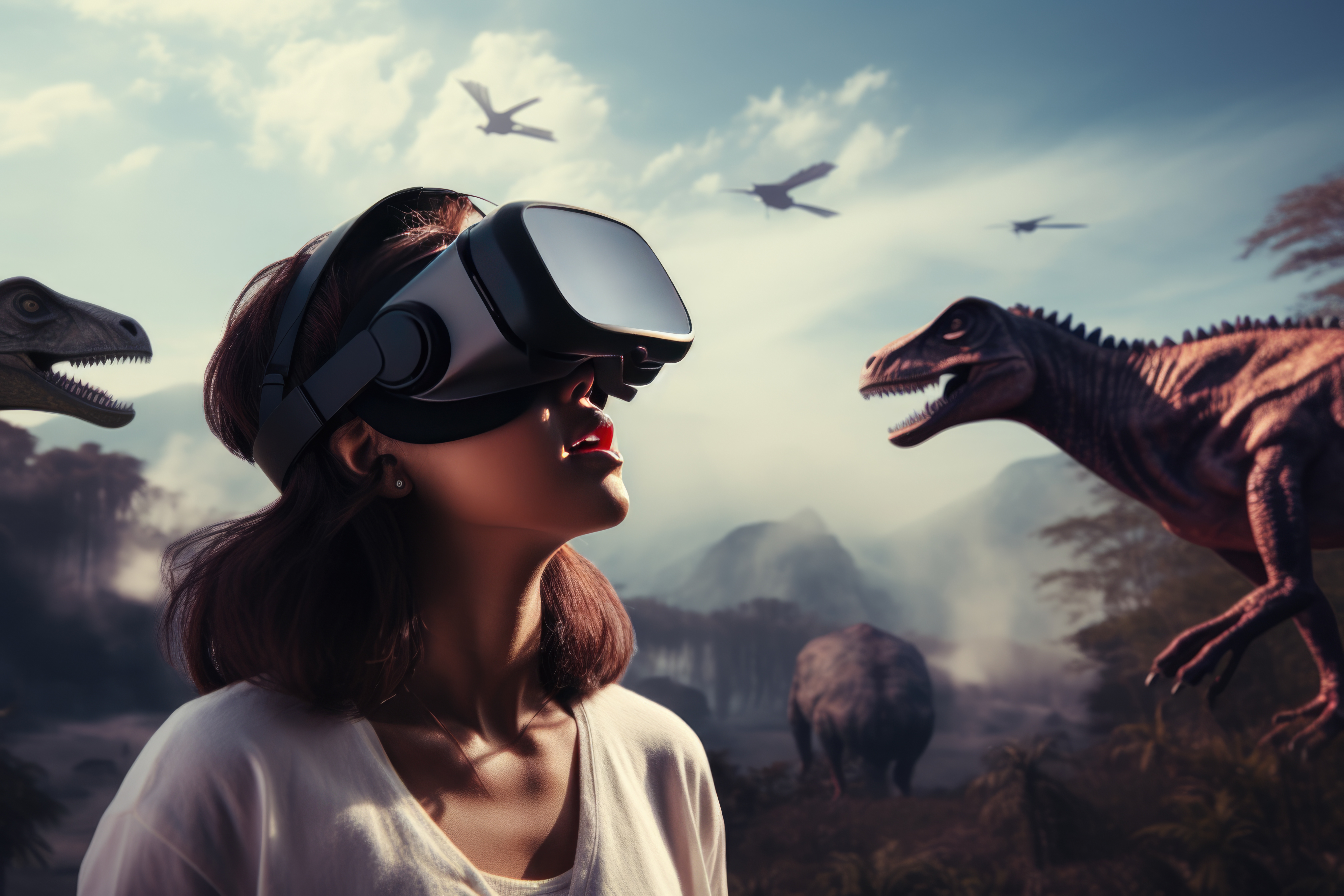
Why Immersive Digital Experiences Matter Now
If you want to capture attention today, you have to offer more than just information. You have to offer an experience. People want to feel involved in the narrative. This is why businesses, educators, and storytellers are completely rethinking their approach. Let’s break down the essential ways these environments are transforming our daily lives.
1. They Are Intensely Interactive
When we talk about modern immersive digital experiences, interactivity is the beating heart of the concept. It is not just about clicking a button and waiting for a page to load. In 2026, interactivity means the environment responds to your voice, your gestures, and even your eye movements. If you look at a specific digital object, it might highlight itself or offer more information without you ever needing to touch a controller. This level of responsiveness creates a bond between the user and the platform, making the digital space feel alive and attentive to the user's immediate needs.
2. Crafting Purposeful Immersive Digital Experiences
There is a big difference between a flashy digital gimmick and a purposeful design. A truly successful studio ensures that every interaction has a clear "why" behind it. Whether the goal is to teach a complex scientific concept, guide a customer through a virtual showroom, or tell a gripping interactive story, the design must guide the user naturally toward that goal.
Purposeful immersive digital experiences remove friction. They don't confuse the user with unnecessary menus or chaotic visuals; instead, they use intuitive spatial design to make the complex feel incredibly simple.
3. They Are Highly Measurable
One of the most fascinating things about the latest 2026 updates in digital environments is how data is collected and analyzed. In the past, we might have used complex tables to show engagement metrics, but let's break down the latest measurable data points directly instead of using a boring table:
Attention Heatmaps: Modern platforms track exactly where users look and for how long, allowing creators to see which parts of the story capture the most attention.
Interaction Rates: We now measure how often users physically or digitally reach out to interact with 3D elements, which currently sits at an all-time high of 82% in optimized environments.
Emotional Resonance: Using advanced optical sensors, systems can now gauge micro-expressions to determine if a user is frustrated, confused, or delighted, allowing the environment to adjust its pacing in real-time.
Drop-off Points: Creators get instant alerts about exactly where users lose interest, making it easier to patch and improve the narrative flow on the fly.
4. Bridging Physical and Digital Spaces
The line between what is real and what is digital is practically gone. We call these "phygital" spaces, and they represent the next frontier of immersive digital experiences. Imagine walking into a physical museum or a retail store, and as you move, your smart glasses or mobile device overlays rich, interactive historical data or product stories onto the physical world.
The physical space provides the anchor, while the digital layer provides the limitless context. This hybrid approach ensures that the digital world enhances reality rather than trying to replace it entirely.
5. Personalization in Immersive Digital Experiences
Nobody wants a one-size-fits-all approach anymore. Thanks to the deep integration of AI in 2026, environments can now mold themselves to the individual user. If the system knows you are a visual learner, it might present information through dynamic 3D charts. If it detects you prefer reading, it might seamlessly generate highly readable, elegantly formatted text overlays.
This dynamic personalization means that ten different people can walk through the exact same digital experience studio project and walk away with ten uniquely tailored journeys.
6. The Shift in Spatial Computing
We can't talk about immersive digital experiences without mentioning the hardware and software shifts of this year. Spatial computing has matured from clunky headsets into lightweight, almost invisible wearables. The operating systems running these devices now understand the geometry of the room you are standing in. If a digital ball bounces off a physical wall in your living room, it reacts to the actual physics of your space.
This grounding in reality makes the brain accept the digital elements much faster, drastically reducing the "virtual motion sickness" that used to plague older systems.
7. Future-Proofing with Immersive Digital Experiences
Technology changes fast, and sometimes it feels a bit overwhelming to keep up. But studios that focus on immersive, interactive, measurable, and purposeful designs are actually future-proofing their work. By building on flexible spatial engines rather than flat, static codebases, these creators can easily push updates that take advantage of next year's hardware without having to rebuild everything from scratch. It’s an organic, living way of creating content that grows alongside the audience.
The Next Step for Immersive Digital Experiences
At the end of the day, humans are natural storytellers. We crave connection, understanding, and engagement. The tools we use to tell those stories have evolved from the campfire, to the printed page, to the cinema, and now into the spatial environments we navigate today. The goal remains exactly the same: to make the audience feel something real.
By embracing spaces that are interactive and deeply purposeful, we aren't just looking at the future of technology, we are stepping directly into it. The studios that understand how to blend measurable data with profound, human-centric design are the ones that will define the next decade of digital culture. And honestly, it is an incredibly exciting time to be a part of that journey.
 Never miss a story from us, get weekly updates in your inbox.