
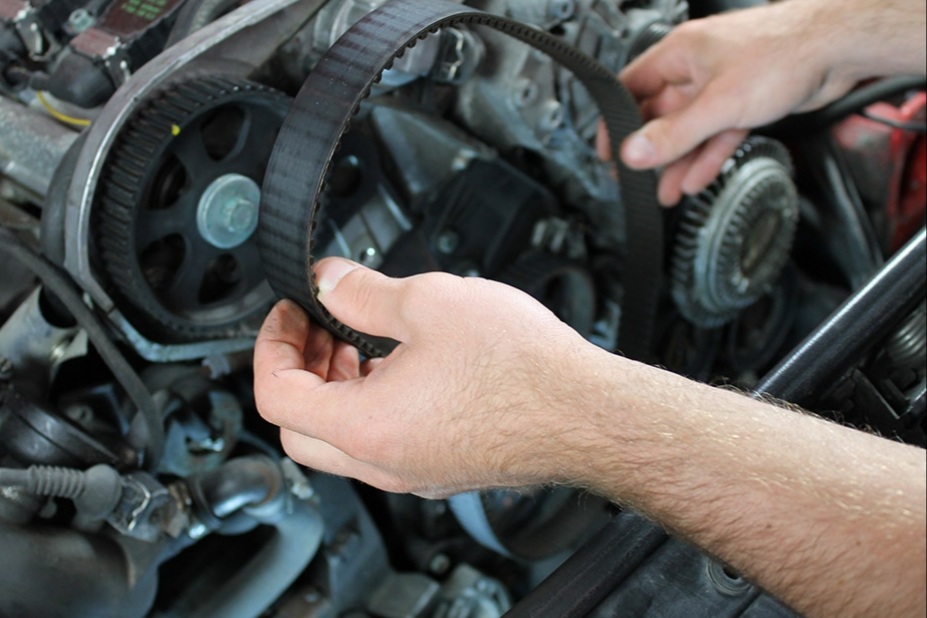
Staying on top of your timing belt replacement schedule is the single most important action for preventing catastrophic engine failure. This rubber component synchronises your engine's internal parts, ensuring seamless performance during every journey. Ignoring a necessary engine timing service can lead to bent valves, damaged pistons, and thousands of pounds in repair bills. Regular maintenance checks provide peace of mind and keep your vehicle reliable on busy UK roads. By understanding the signs of wear, you can protect your investment and avoid sudden, costly breakdowns.
What Does Your Timing Belt Actually Do?
The belt acts as the conductor for your engine's internal dance, connecting the crankshaft to the camshaft. It ensures that the intake and exhaust valves open and close at the exact right moment. If this synchronisation fails, the engine parts collide, often causing immediate and irreparable mechanical destruction. While some modern cars use a durable metal chain, many still rely on rubber belts. Knowing which type your car uses is essential for maintaining your vehicle's long-term health.
Knowing When to Schedule a Change
Car manufacturers specify strict mileage or age intervals for your timing belt replacement needs. You will usually find these vital requirements listed clearly within your vehicle’s official service handbook. Generally, you should consider a change every 60,000 to 100,000 miles or every five years. It is safer to replace the belt slightly early than to risk a snap while driving. Always verify these specific timeframes with your local garage or main dealership for accuracy.
Signs Your Vehicle Needs Urgent Attention
Even before you reach the recommended mileage, your car might show early warning signs of trouble. Listen carefully for strange clicking or ticking noises coming from the front of the engine bay. If your engine starts misfiring or refuses to turn over, your belt may have stretched significantly. A thorough timing chain inspection or belt check can identify cracks or fraying before failure occurs. Should you notice any of these symptoms, seek professional mechanical assistance immediately to prevent further damage.
The Cost vs. Risk Comparison
Replacing a belt is an investment that prevents an extremely expensive full engine rebuild later on.
The Process of Professional Servicing
Performing a camshaft belt replacement is a complex job that requires precision tools and expert knowledge. Mechanics must dismantle various engine components to gain clear access to the belt housing area. Once inside, they remove the old belt and install a fresh one along with new tensioners. It is also common practice to replace the water pump at the same time. This comprehensive approach ensures that you do not pay twice for the same labour later.
Don't Forget the Water Pump
Many UK mechanics strongly advise replacing the water pump during your routine timing belt replacement work. The water pump is often located behind the same housing and shares the same drive belt. If the pump fails shortly after your service, you would need to repeat the expensive labour. Bundling these tasks together saves you time and ensures your cooling system remains in peak condition. This simple tip is the hallmark of a high-quality, professional engine service.
Conclusion
A scheduled timing belt replacement is a small price to pay to ensure your engine survives the long term. Never wait for the belt to snap, as the resulting damage will far exceed the cost of maintenance. Keep a close eye on your mileage and service history to plan your next visit to the garage. Protecting your vehicle’s heart means you can drive with confidence on every single journey. Consistent mechanical care is the best way to keep your car running perfectly for years.
FAQs
1. How do I know if I have a belt or a chain?
Check your owner’s manual or consult your local mechanic to identify your engine type. A timing chain inspection is typically only needed if you hear a rattling sound while idling. Chains often last much longer than rubber belts, but they still require proper oil maintenance.
2. Can I continue driving if the belt is worn?
You should never continue driving if you suspect your belt is cracked or fraying. A snapped belt during high-speed driving causes immediate, massive engine damage that often totals the vehicle. Schedule your timing belt replacement immediately to avoid this high-risk scenario.
3. Why is it so expensive to replace?
The cost reflects the significant labour required to reach and correctly align the engine components. Your mechanic must perform a precise engine timing service to ensure the engine runs smoothly afterwards. High-quality parts and the replacement of tensioners also contribute to the final garage bill.
4. What happens if the belt snaps while driving?
When the belt snaps, the camshaft stops rotating, but the crankshaft continues to spin with momentum. This causes the pistons to strike the open valves, resulting in a timing belt replacement emergency involving extensive engine repairs. You will likely experience a sudden loss of power and be unable to restart the car.
5. Does my driving style affect belt wear?
Yes, frequent short trips or heavy stop-start city driving can accelerate wear on your rubber belt. A camshaft belt replacement might be needed earlier if your car sits in heavy traffic daily. Monitor your engine's performance closely if you frequently use your vehicle in demanding urban conditions.
6. Do I need to replace the tensioners too?
Yes, the tensioner keeps the belt tight and prevents it from slipping off the engine pulleys. Replacing these components alongside your timing belt replacement ensures the new belt functions perfectly for its full lifespan. Failing to replace the tensioner is a common mistake that leads to premature belt failure.
7. Is an engine timing service covered by warranties?
Standard new car warranties often cover these parts, but you must follow the manufacturer's specified service schedule. Missing an engine timing service interval can void your warranty, leaving you responsible for the repair costs. Always keep your garage invoices as proof that the work was completed correctly.
8. How long does the actual repair take?
Most professional garages can complete the work within a single day, depending on your vehicle's engine layout. Your mechanic will advise you on the specific duration needed for a professional camshaft belt replacement procedure. Having a spare car or arranging alternative transport is recommended for that day.
9. Can I visually check the belt myself?
It is often difficult to access the belt because it is hidden behind a protective plastic cover. A professional timing chain inspection or belt check is safer because mechanics have the right tools to view it properly. Do not attempt to pry open the housing yourself, as you might cause accidental damage.
10. Does a "timing belt replacement" always include the water pump?
While it is highly recommended, it is technically an optional extra that adds to your final invoice. Mechanics advise replacing the pump during your timing belt replacement to prevent future leaks and save on repeat labour costs. It is one of the smartest and most cost-effective maintenance decisions you can make.
 Never miss a story from us, get weekly updates in your inbox.