
Cell phones have become an unavoidable part of modern workplaces. What was once seen as a distraction is now a daily work companion for many employees. From emails and messaging to task updates and coordination, smartphones influence how work gets done. Understanding cell phone at workplace statistics helps uncover whether this growing dependence supports productivity or quietly undermines focus.
📊 For detailed statistics and data:
🔗 https://market.biz/cell-phones-at-workplace-statistics
📊 How Often Do Employees Check Their Phones at Work?
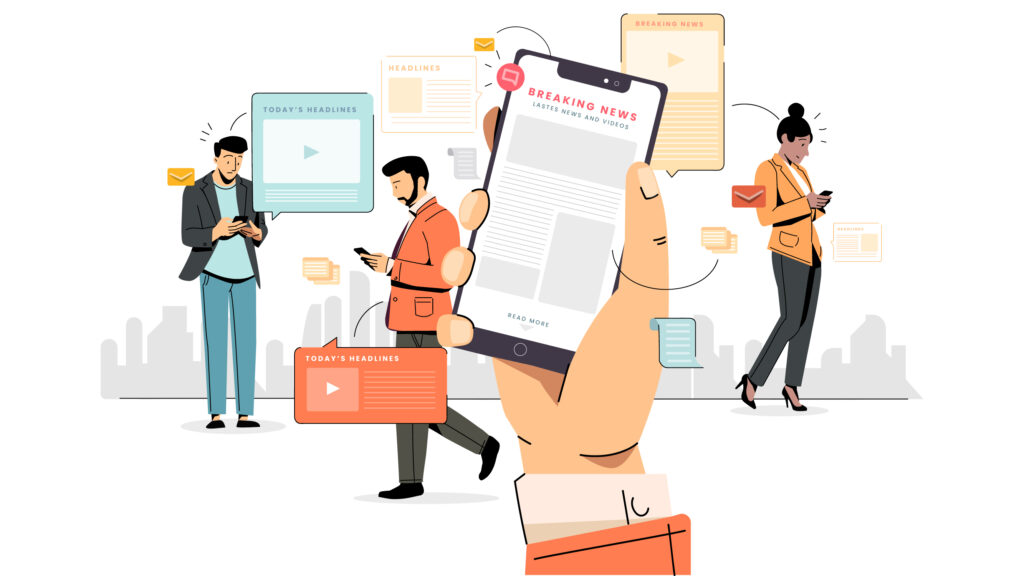
One of the most noticeable changes in workplace behavior is the frequency of phone checking during work hours. Employees often reach for their phones multiple times throughout the day—sometimes for work, sometimes out of habit. These frequent interactions may seem harmless, but they create a pattern of constant attention shifts. Even short phone checks can interrupt concentration and slow down task completion.
Productivity or Distraction?
Mobile phones at work create a clear productivity paradox.
✔ When Phones Help
Faster communication with teams
Quick access to work-related information
Better coordination in remote or hybrid roles
❌ When Phones Hurt
Interrupted focus during important tasks
Reduced deep work and problem-solving time
Blurred boundaries between personal and professional use
The real issue is not phone usage itself—but how intentionally phones are used during work hours.
📲 Why Workplace Phone Statistics Matter
Cell phone at workplace statistics reveal patterns that individual employees may not notice on their own. They highlight how small, repeated phone interactions add up over time and influence overall productivity, efficiency, and workplace culture. For employers, these insights help shape better policies. Cell phones are no longer optional in today’s workplaces. They are powerful tools that can either enhance productivity or quietly drain focus. Cell phone at workplace statistics (2025) show the importance of balance—using mobile devices with purpose rather than habit.
 Never miss a story from us, get weekly updates in your inbox.