
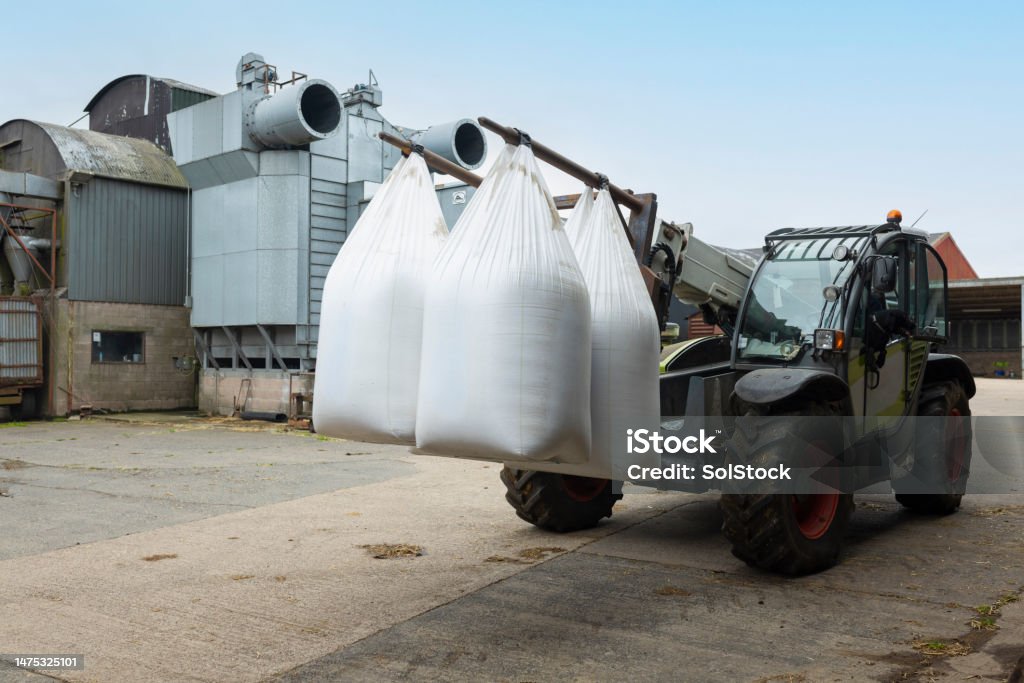
Many manufacturing and processing facilities struggle with slow bulk packaging operations, inaccurate filling, excessive material waste, dust pollution, and rising labor costs.
These challenges not only reduce productivity but can also impact product quality and customer satisfaction.
A Super Sack Loading System solves these issues by automating the filling and loading process for bulk bags, ensuring accurate weight control, cleaner operations, and higher throughput.
For businesses handling powders, granules, pellets, and other bulk materials, investing in a modern super sack loading solution can significantly improve operational efficiency while reducing packaging costs.
What Is a Super Sack Loading System?
A Super Sack Loading System is an advanced bulk bag filling and handling solution designed to load large flexible intermediate bulk containers (FIBCs), commonly known as "super sacks" or "jumbo bags." These systems are engineered to accurately weigh, fill, secure, and discharge bulk materials while maintaining production efficiency.
Modern loading systems integrate precision weighing technology, automated bag positioning, dust collection equipment, and programmable controls to create a streamlined packaging process. They are widely used across industries that require safe and efficient handling of high-volume materials.
Key Features of a Super Sack Loading System
Precision Weighing Technology
Accurate weight measurement is critical in bulk packaging. Advanced load cell systems continuously monitor product weight during filling, helping maintain consistency and reducing costly product giveaways.
Automated Bag Support and Clamping
The system securely holds the super sack in position throughout the loading process. Automatic bag clamping minimizes operator involvement while ensuring safe and stable filling.
High-Capacity Filling Performance
Designed for industrial environments, these systems can efficiently fill large bags ranging from 500 kg to 2000 kg or more, depending on application requirements.
Integrated Dust Collection
Dust generation is a common concern when handling powders and fine materials. Integrated dust control systems help maintain a cleaner workspace while supporting workplace safety standards.
PLC-Based Control System
Modern programmable logic controllers (PLC) provide intuitive operation, recipe management, real-time monitoring, and improved process control for enhanced productivity.
Flexible Material Handling
A super sack loading system can accommodate various material types, including free-flowing granules, powders, flakes, pellets, and blended products.
How Does a Super Sack Loading System Work?
The loading process follows a simple yet highly efficient workflow:
The operator places an empty super sack onto the filling station.
The bag loops are attached to the support frame.
The filling spout is connected and sealed.
Material enters the bag through gravity, auger, belt, or pneumatic feeding systems.
The weighing system continuously monitors the fill weight.
Once the target weight is achieved, the material flow automatically stops.
The filled bag is released and transferred for storage or shipping.
This automated process ensures consistency, speed, and minimal product loss.
Industries That Use Super Sack Loading Systems
Chemical Industry
Chemical manufacturers rely on bulk bag filling systems for packaging powders, resins, additives, and specialty compounds while maintaining strict accuracy requirements.
Food Processing
Food-grade loading systems safely package ingredients such as flour, sugar, starch, grains, and seasonings while supporting hygiene standards.
Agriculture
Agricultural businesses use super sack loading systems for fertilizers, seeds, animal feed, and grain products.
Mining and Minerals
Mining operations package sand, mineral powders, ores, and aggregates in large quantities for transportation and storage.
Plastics Industry
Plastic manufacturers use these systems to package plastic pellets, recycled materials, and polymer compounds efficiently.
Benefits of Investing in a Super Sack Loading System
Increased Production Efficiency
Automation reduces manual handling and speeds up packaging operations, enabling higher output rates.
Improved Packaging Accuracy
Precision weighing technology ensures each bag meets specified weight requirements, reducing product loss and customer complaints.
Reduced Labor Costs
By automating critical tasks, companies can lower labor requirements while improving overall productivity.
Enhanced Workplace Safety
Reduced manual lifting and better dust control contribute to a safer working environment.
Lower Material Waste
Accurate filling minimizes overfilling and spillage, helping companies maximize profitability.
Scalable Operations
Businesses can easily integrate the system into existing production lines and expand capacity as demand grows.
Choosing the Right Super Sack Loading System
When selecting a system, consider the following factors:
Material characteristics
Required bag sizes
Production volume
Filling accuracy requirements
Dust control needs
Automation level
Future expansion plans
Working with an experienced bagging machine manufacturer ensures you receive a customized solution that matches your operational requirements.
Why Modern Manufacturers Prefer Automated Super Sack Loading
As industries continue to focus on productivity, safety, and cost reduction, automated bulk bag filling solutions have become essential. A modern super sack loading system helps businesses improve packaging consistency, reduce downtime, and meet growing production demands without sacrificing quality.
Companies that invest in advanced loading technology often experience a faster return on investment through labor savings, increased throughput, and reduced material waste.
Conclusion
A Super Sack Loading System is a powerful solution for companies handling bulk materials in demanding industrial environments. With accurate weighing, automated controls, dust management, and high-capacity performance, these systems streamline packaging operations while improving efficiency and profitability.
Whether you operate in food processing, agriculture, chemicals, mining, or plastics manufacturing, a reliable super sack loading solution on our bagging machine website can transform your packaging process and support long-term business growth.
FAQs
1. What is a super sack loading system used for?
A super sack loading system fills large bulk bags with powders, granules, pellets, and other materials while maintaining accurate weight control.
2. What materials can be handled by a super sack loading system?
These systems can package chemicals, grains, fertilizers, minerals, plastic pellets, powders, and many other bulk materials efficiently.
3. How accurate is a super sack loading system?
Most modern systems achieve highly accurate weighing performance using advanced load cells and automated filling controls.
4. Does a super sack loading system reduce labor costs?
Yes. Automation reduces manual handling, speeds production, and allows facilities to operate with fewer packaging personnel.
5. Can the system be customized for different industries?
Yes. Manufacturers can customize filling methods, weighing ranges, controls, and dust management features for specific applications.
 Never miss a story from us, get weekly updates in your inbox.