
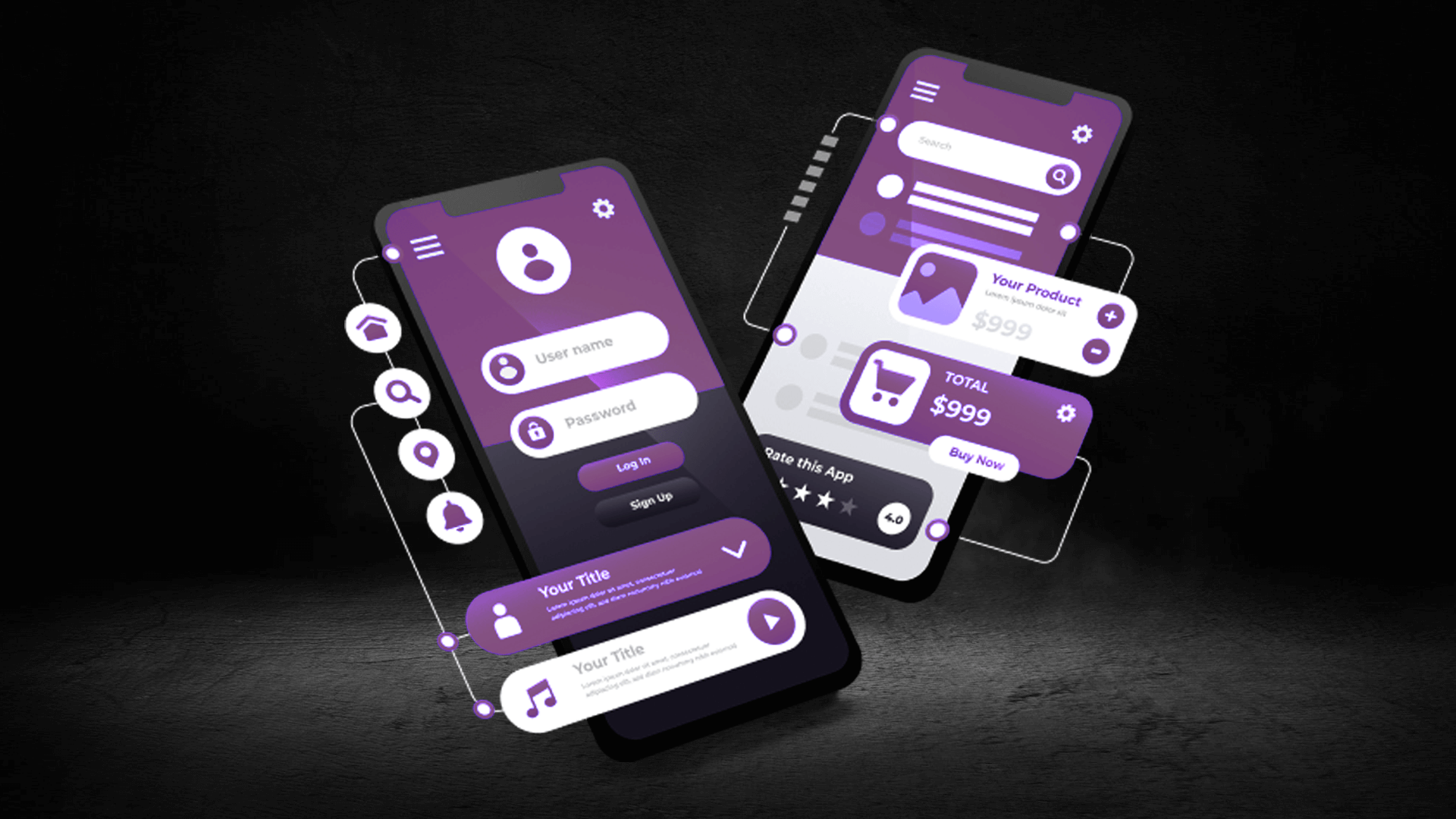
Startups often begin with a strong idea but limited resources. Turning that idea into a reliable product that attracts users, investors, and revenue requires the right technical foundation. This is where Mobile app development companies for startups play a critical role. They bring structure, strategy, and execution to help young businesses grow without wasting time or budget. A well-built mobile app is more than just a product. It becomes a growth engine that supports customer acquisition, engagement, and long-term scalability. Let’s explore how professional development partners help startups move from concept to expansion stage faster.
1. Turning Ideas into Market-Ready Products
Most startups begin with a concept, not a finished roadmap. A professional development team helps refine the idea, define core features, and identify the right technology stack.
Instead of building everything at once, experienced developers guide startups toward launching an MVP (Minimum Viable Product). An MVP focuses on solving the primary problem while keeping development time and cost under control. This allows startups to:
Test market demand quickly
Gather user feedback
Improve the product based on real usage
Attract early investors
By following a structured approach, Mobile app development companies for startups reduce the risk of product failure.
2. Building Scalable Architecture from Day One
Scaling is not just about adding more users. It requires an app architecture that can handle growth without performance issues.
Professional app development teams design scalable backend systems, integrate cloud infrastructure, and plan database structures carefully. This ensures:
Faster load times
High performance during traffic spikes
Smooth user experience
Secure data management
Startups that try to scale without proper technical planning often face crashes, downtime, and customer loss. A strong foundation prevents these problems before they occur.
3. Access to Skilled Talent Without Long Hiring Cycles
Hiring an in-house team takes time and significant investment. Startups may need UI/UX designers, frontend developers, backend engineers, QA testers, and project managers.
Partnering with a development company gives immediate access to:
Experienced mobile developers
Designers focused on user engagement
Quality assurance specialists
Technical consultants
This approach saves recruitment costs and allows founders to focus on business strategy, funding, and marketing while experts handle the technical side.
4. Faster Time to Market
Speed is essential for startup growth. Entering the market early gives a competitive advantage and helps capture users before competitors.
Established mobile app development companies follow agile methodologies. Work is divided into short development cycles, allowing:
Continuous testing
Regular feature updates
Faster bug fixing
Transparent progress tracking
This structured workflow shortens the product launch timeline and keeps development aligned with business goals.
5. Strong Focus on User Experience
An app with poor design rarely retains users. Clean navigation, smooth interactions, and intuitive layouts influence engagement and retention rates.
Professional teams conduct research to understand target users. They create wireframes and prototypes before development begins. This ensures:
Clear user journeys
Easy onboarding
High retention rates
Positive app store reviews
User-focused design directly impacts startup growth by encouraging repeat usage and referrals.
6. Cost Efficiency and Budget Control
Budget constraints are common for early-stage businesses. Poor planning can lead to overspending or incomplete projects.
Working with Mobile app development companies for startups provides clear cost structures. Development plans are broken into phases, helping founders manage expenses step by step.
Additionally, outsourcing eliminates costs related to:
Office infrastructure
Employee benefits
Long-term payroll commitments
This makes scaling more sustainable.
7. Integration with Emerging Technologies
Modern mobile applications often require advanced features such as:
AI-driven recommendations
Real-time tracking
Payment gateway integration
Cloud storage
API integrations
Professional development teams stay updated with the latest frameworks and tools. They recommend technologies that improve performance and future-proof the app.
Startups benefit from innovation without needing to build internal research teams.
8. Continuous Support and Maintenance
Launching the app is only the beginning. Updates, security patches, feature enhancements, and performance optimization are ongoing requirements.
Reliable development partners offer:
Regular updates
Bug monitoring
Performance improvements
Compatibility upgrades for new OS versions
This ongoing support ensures stability as the user base grows.
9. Data-Driven Growth Strategy
Scaling requires understanding user behavior. Mobile apps generate valuable data that can guide business decisions.
Development teams integrate analytics tools that track:
User engagement
Session duration
Feature usage
Conversion rates
With these insights, startups can improve features, refine marketing strategies, and increase revenue.
10. Cross-Platform Development for Wider Reach
Startups aiming for rapid growth cannot limit themselves to one platform. Professional companies often use cross-platform frameworks to launch apps on both Android and iOS efficiently.
This approach:
Expands market reach
Reduces development time
Keeps costs manageable
Maintains consistent user experience
Reaching more users in less time supports faster scaling.
11. Improved Security and Compliance
Security issues can damage reputation and lead to financial losses. Professional development companies implement best practices in:
Data encryption
Secure authentication
Regulatory compliance
Secure payment integration
This protects both the business and its users.
12. Strategic Guidance Beyond Development
Experienced partners do more than write code. They offer strategic insights based on previous startup collaborations.
They help with:
Feature prioritization
Technology selection
Market readiness
Product roadmap planning
This advisory role strengthens long-term growth potential.
Frequently Asked Questions (FAQs)
1. Why should startups hire mobile app development companies instead of freelancers?
Companies provide structured teams, project management, quality testing, and long-term support. Freelancers may handle specific tasks but often lack full-scale project coordination.
2. How do Mobile app development companies for startups reduce risk?
They use proven development processes, scalable architecture, and market validation techniques like MVP development to minimize failure risks.
3. Is outsourcing mobile app development cost-effective for startups?
Yes. It eliminates hiring expenses, infrastructure costs, and long-term employee commitments while providing access to skilled professionals.
4. How long does it take to build a startup mobile app?
Timelines vary depending on complexity. A basic MVP may take 2–4 months, while advanced applications can take longer.
5. Can development companies help after the app launch?
Yes. Most offer maintenance, updates, performance monitoring, and feature expansion services.
Conclusion
Startups grow when they combine innovation with execution. A mobile application built on strong technical foundations becomes a powerful tool for customer acquisition, engagement, and revenue generation. By partnering with Mobile app development companies for startups, founders gain access to expertise, scalable architecture, structured workflows, and long-term support. This combination reduces risk, improves efficiency, and accelerates growth.Instead of struggling with technical challenges, startups can focus on strategy, funding, and customer relationships while experienced professionals handle development. That balance often makes the difference between slow progress and rapid expansion.
For More Information Follow "storymirror"
 Never miss a story from us, get weekly updates in your inbox.